
In modern fire protection engineering, maintaining stable system pressure is essential for ensuring that fire protection equipment works immediately during an emergency. One common question raised by facility owners and engineers is: Does every fire pump need a jockey pump?
The answer is not necessarily. While a jockey fire pump is widely used in fire protection systems, it is not mandatory for every installation. However, in most medium and large fire protection systems, it plays an essential role in maintaining pressure stability, preventing unnecessary fire pump starts, and improving overall system reliability.
Understanding how a fire jockey pump works and when it is required helps designers and building owners create safer and more efficient fire protection systems.
What Is a Jockey Pump in a Fire Protection System?
A jockey pump fire protection system includes a small auxiliary pump installed alongside the main fire pump. The purpose of this pump is not to deliver large volumes of water during a fire but to maintain pressure in the piping network when the system is on standby.
In any fire sprinkler or hydrant network, small pressure losses can occur due to:
(1) Minor leaks in piping or valves
(2) Temperature changes affecting water volume
(3) Routine system testing
(4) Small fluctuations in supply pressure
Without a jockey fire fighting pump, these small pressure drops could trigger the main fire pump unnecessarily. Since fire pumps are designed to operate at full capacity during emergencies, frequent starts caused by minor pressure fluctuations would lead to excessive wear, higher energy consumption, and reduced equipment lifespan.
A fire sprinkler jockey pump prevents this problem by automatically restoring system pressure whenever small drops occur. As a result, the main fire pump only activates when a real fire event demands large water flow.
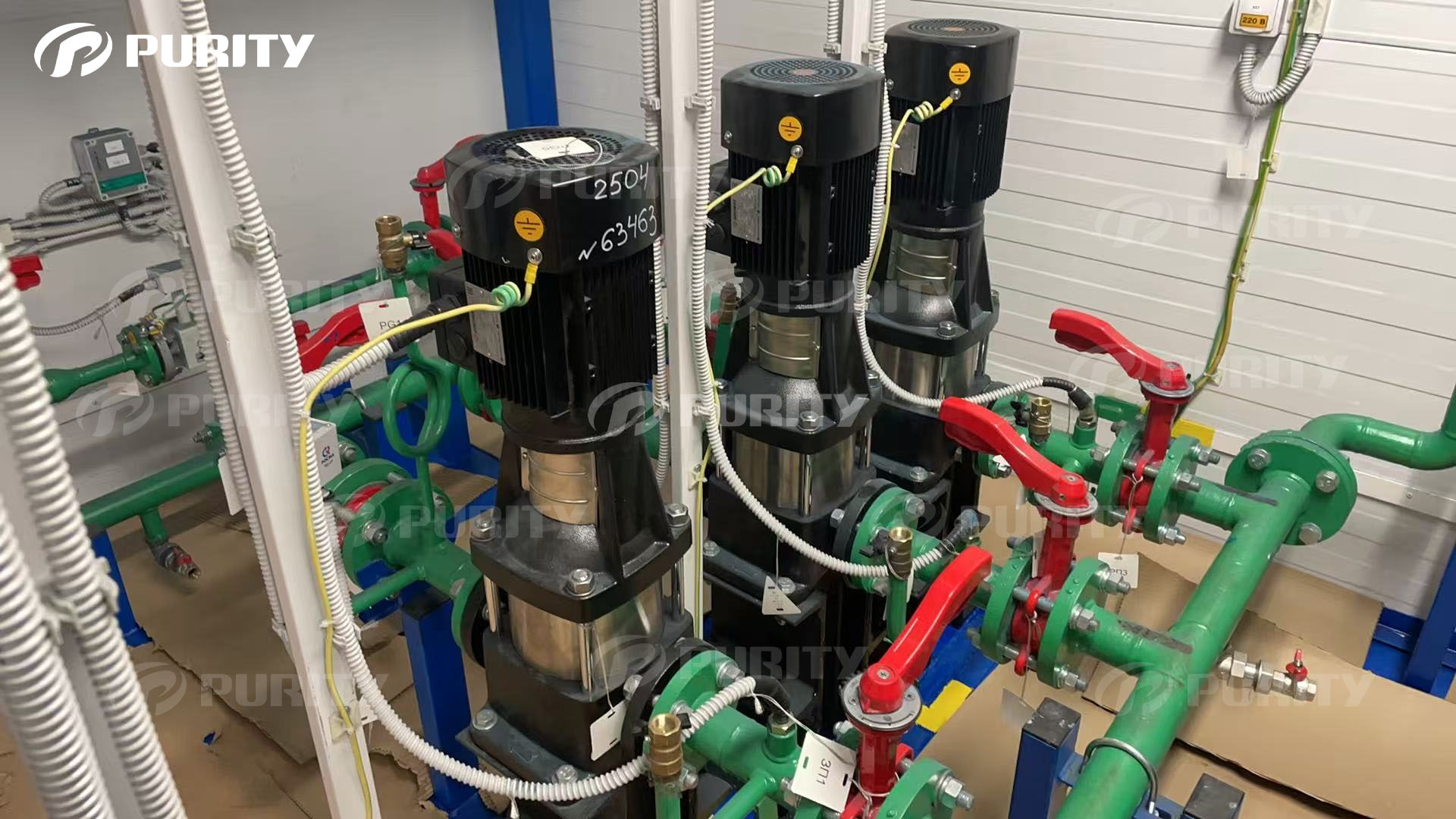
Picture | Purity PVT Stainless Steel Centrifugal Pump On-site Project Image
The Key Functions of a Jockey Fire Pump
Although small in size, the jockey fire pump performs several critical functions in a fire protection system.
1. Maintaining Stable System Pressure
The primary role of a jockey pump fire protection system is to keep the piping network pressurized at all times. By compensating for minor pressure losses, the pump ensures that the fire protection system remains ready for immediate operation.
2. Preventing Unnecessary Fire Pump Starts
Without a fire jockey pump, even a small pressure drop could cause the main fire pump to start. The jockey pump responds first to pressure changes, preventing unnecessary operation of the larger pump.
3. Extending Fire Pump Service Life
Frequent cycling of the main pump can accelerate mechanical wear. By handling minor pressure maintenance, the jockey fire fighting pump significantly reduces the operating hours of the main pump.
4. Reducing Energy Consumption
A jockey pump typically uses far less power than a main fire pump. This makes it a cost-effective solution for maintaining system pressure.
Does Every Fire Pump Require a Jockey Pump?
Despite its benefits, not every fire protection system requires a jockey pump.
The decision depends on several factors, including:
System Size
Small fire protection systems with limited piping networks may experience minimal pressure fluctuation, making a fire sprinkler jockey pump unnecessary.
Water Supply Stability
If the fire pump is connected to a highly stable municipal water supply, pressure may remain consistent without additional pressure maintenance equipment.
Building Complexity
Large buildings, high-rise structures, industrial plants, and logistics centers often have extensive piping networks. In these systems, a jockey pump fire protection system is usually recommended.
Local Codes and Standards
The NFPA 20 Standard for the Installation of Stationary Fire Pumps strongly recommends the use of jockey pumps in many installations, particularly in systems where pressure stability is critical.
Jockey Pump Design and Sizing Principles
Proper sizing is crucial for ensuring that a jockey fire pump performs its intended function without interfering with the main fire pump.
Flow Rate
The jockey pump should only compensate for system leakage and minor pressure losses. A common guideline is:
(1) Flow rate less than a single sprinkler head discharge
(2) Approximately 1% of the main fire pump rated capacity
For example, if the fire pump is rated at 1500 GPM, the jockey pump flow might be around 15 GPM.
Pressure Settings
The discharge pressure of the fire jockey pump should typically be about 10 psi higher than the main fire pump start pressure. This ensures the jockey pump responds first when pressure drops slightly.
Piping Configuration
Typical installation includes:
(1) Isolation valve on the suction side
(2) Check valve and isolation valve on the discharge side
(3) Independent pressure sensing line
These components allow accurate pressure monitoring and safe maintenance.
Common Design Mistakes to Avoid
Improper design can reduce the effectiveness of a jockey pump fire protection system. Some common mistakes include:
(1)Oversizing the jockey pump
(2) Incorrect pressure settings
(3) Shared pressure sensing lines
(4)Missing isolation valves for maintenance
Avoiding these issues helps ensure stable system operation.
Why Choose Purity Jockey Pumps?
When selecting a reliable jockey fire fighting pump, quality and engineering design are crucial. Purity provides dependable solutions for modern fire protection systems.
Key advantages include:
(1)International CE certification ensuring product quality and safety
(2) Complete product range to meet different fire protection requirements
(3) Multiple connection options, including live flange, pipe thread, ferrule, and diamond flange, allowing flexible installation and seamless replacement
Founded in 2010, Purity has more than 16 years of pump manufacturing and sales experience. The company operates a 60,000-square-meter independent factory and is supported by a professional R&D team. Today, Purity pumps are supplied to customers around the world.
The company is also actively seeking global partners and distributors to expand its international presence.
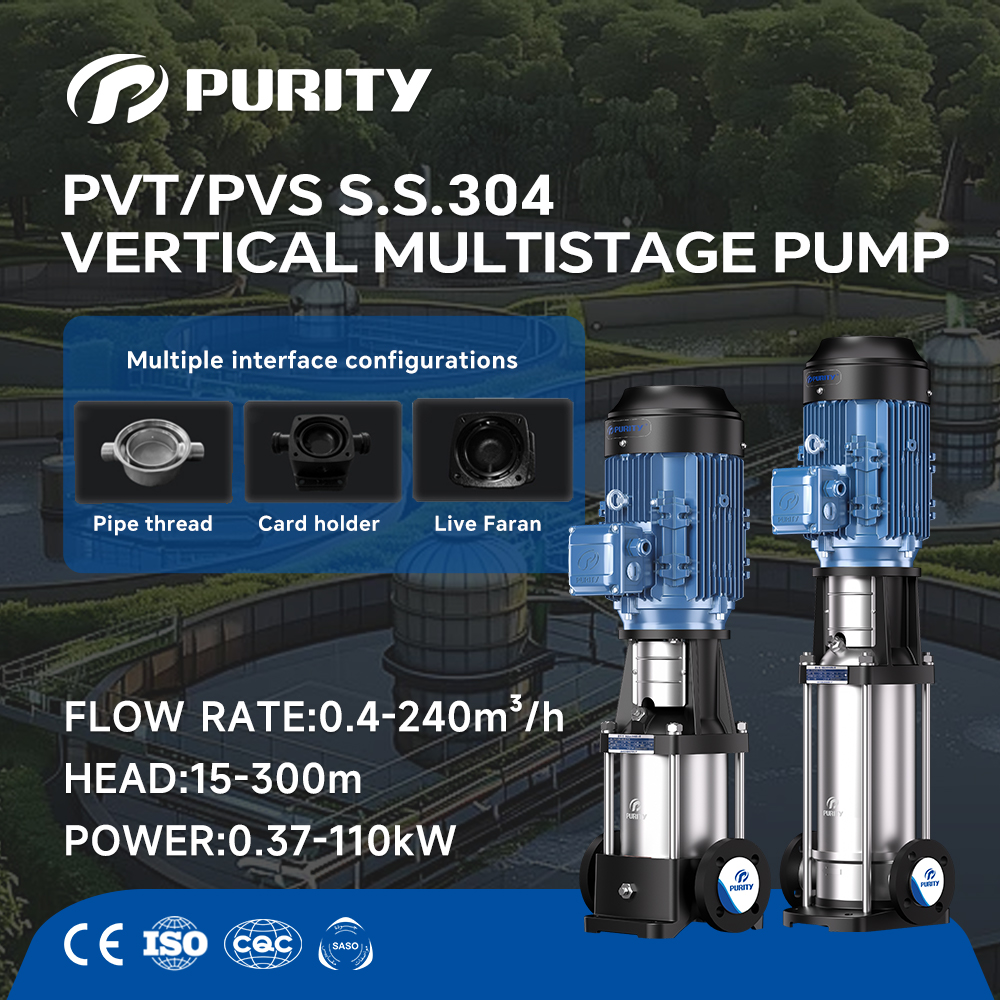
Picture | Purity Stainless Steel Multistage Centrifugal Pump-PVT/S
Conclusion
So, does every fire pump need a jockey pump?
The answer is no, but in most modern fire protection systems, installing a jockey fire pump greatly improves system performance and reliability.
By maintaining system pressure, preventing unnecessary fire pump starts, and reducing mechanical wear, a jockey pump fire protection system plays an important supporting role in ensuring that fire protection equipment is always ready when emergencies occur.
When properly selected and installed according to NFPA 20 guidelines, a fire sprinkler jockey pump becomes a simple yet highly effective component that helps safeguard buildings, assets, and lives.
Post time: Mar-12-2026


