
Fire safety is a priority in residential, commercial, and industrial environments. As an essential part of a fire protection system, a fire pump supplies water at the required flow and pressure when a fire occurs. It helps deliver water to fire protection pipelines, supporting timely firefighting and safer evacuation. Choosing the right fire pump system is therefore important for protecting people, property, and infrastructure.
1. Key Factors in Fire Pump System Selection
When selecting a fire pump, users should consider the building’s requirements, water source, operating conditions, and power supply.
1.1 Flow Rate and Head
The required flow rate and head are closely related to building size and the distance between the water source and the fire protection network. Large commercial complexes and high-rise buildings often need higher flow rates and greater head to ensure that water reaches the required locations with sufficient pressure.
For high-rise buildings, the pump must overcome elevation differences. For large facilities, it may also need to supply several firefighting points at the same time. Selecting a fire pump according to actual project requirements helps maintain a stable and effective water supply.
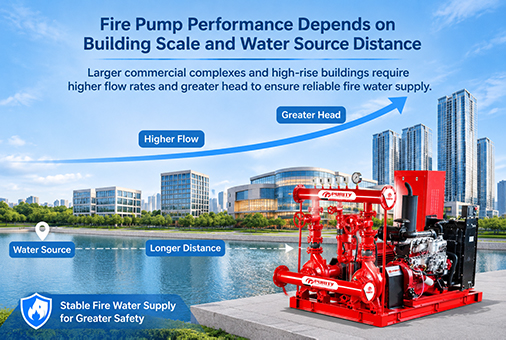
Picture|City Size and Distance to Water Sources
1.2 Reliability and Operational Stability
During a fire emergency, a fire pump must start promptly and provide a continuous water supply. Automatic starting and monitoring functions help a fire pump system respond quickly and keep the water supply available when needed.
Backup power is also important, especially in areas where electricity may be unstable or unavailable. This can be a particular concern in some developing regions, including parts of Africa and South Asia. In addition to conventional electric fire pump solutions, Purity offers electric-diesel dual-power fire pump sets to meet different project needs. An electric fire pump operates using an electrical supply, while a diesel fire pump can provide an alternative drive when mains power is unavailable. The appropriate configuration should be selected according to project design and applicable fire protection requirements.
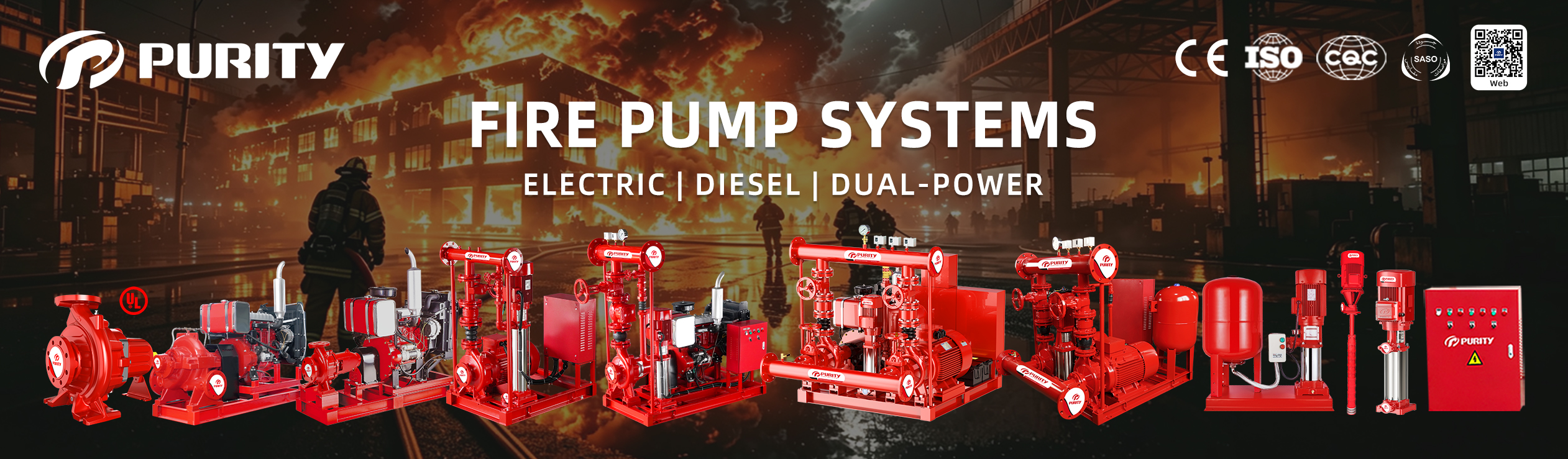
Picture|Purity Fire Pump Series Products
2. Main Application Areas of Fire Pumps
Fire pumps are used in buildings, industrial facilities, and transportation infrastructure. They provide water for fire hydrant networks, sprinkler installations, and other firefighting equipment.
2.1 Building Applications
Hospitals, schools, high-rise buildings, shopping malls, and large hotels all require dependable fire protection. In these locations, fire pumps supply water to hydrants, sprinkler systems, and fire protection pipelines.
For facilities with sprinkler installations, correctly selected fire pumps for sprinkler systems help provide the flow and pressure required by the system design. Purity’s PV vertical multistage fire pump features a compact structure and same-diameter inlet and outlet connections. With a range of models and performance parameters, it can serve various building fire water supply and pressure-boosting applications.
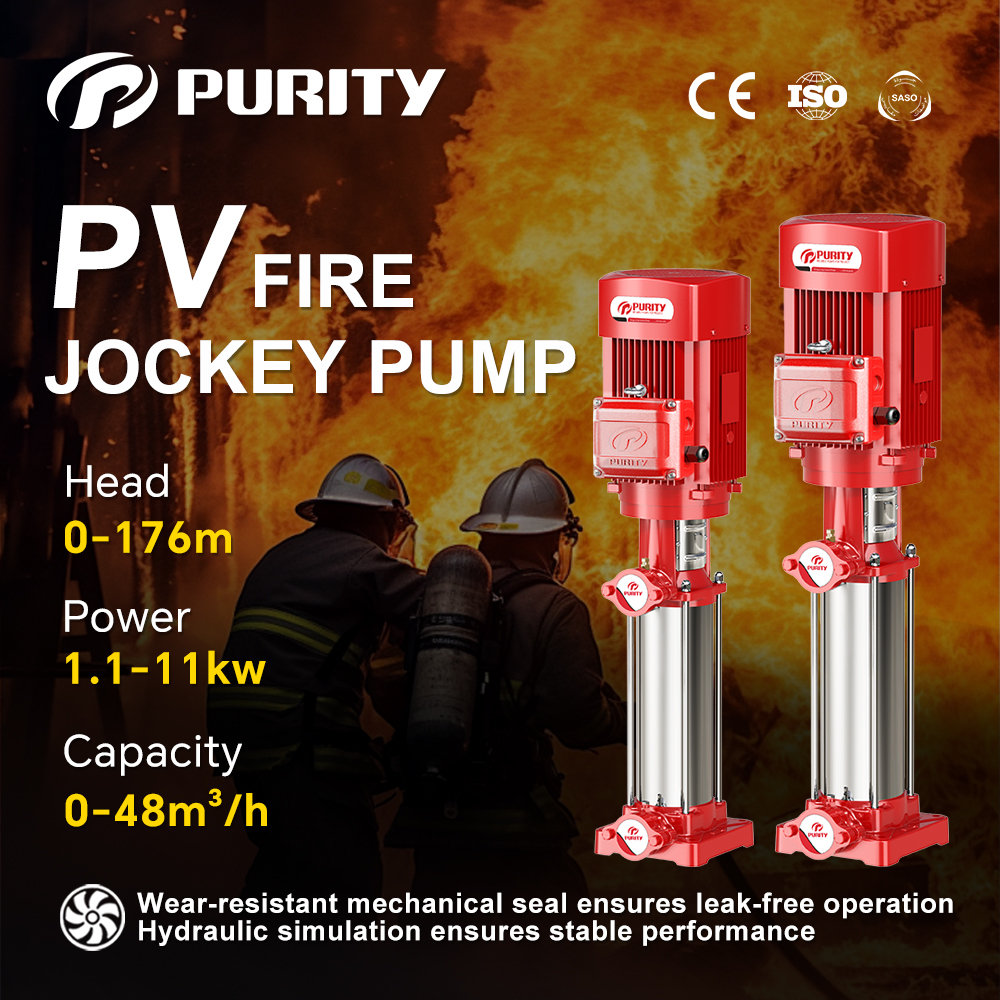
Picture|Purity PV Multistage Fire Pump
2.2 Industrial Applications
Manufacturing plants, chemical processing facilities, and petroleum processing sites need effective fire protection to help safeguard equipment, facilities, and employees. These environments may have specific requirements for water supply capacity and backup power.
For industrial projects that require an alternative power source, Purity’s PSD diesel engine fire pump set can be configured according to project requirements, providing a suitable water supply option for industrial fire protection systems.
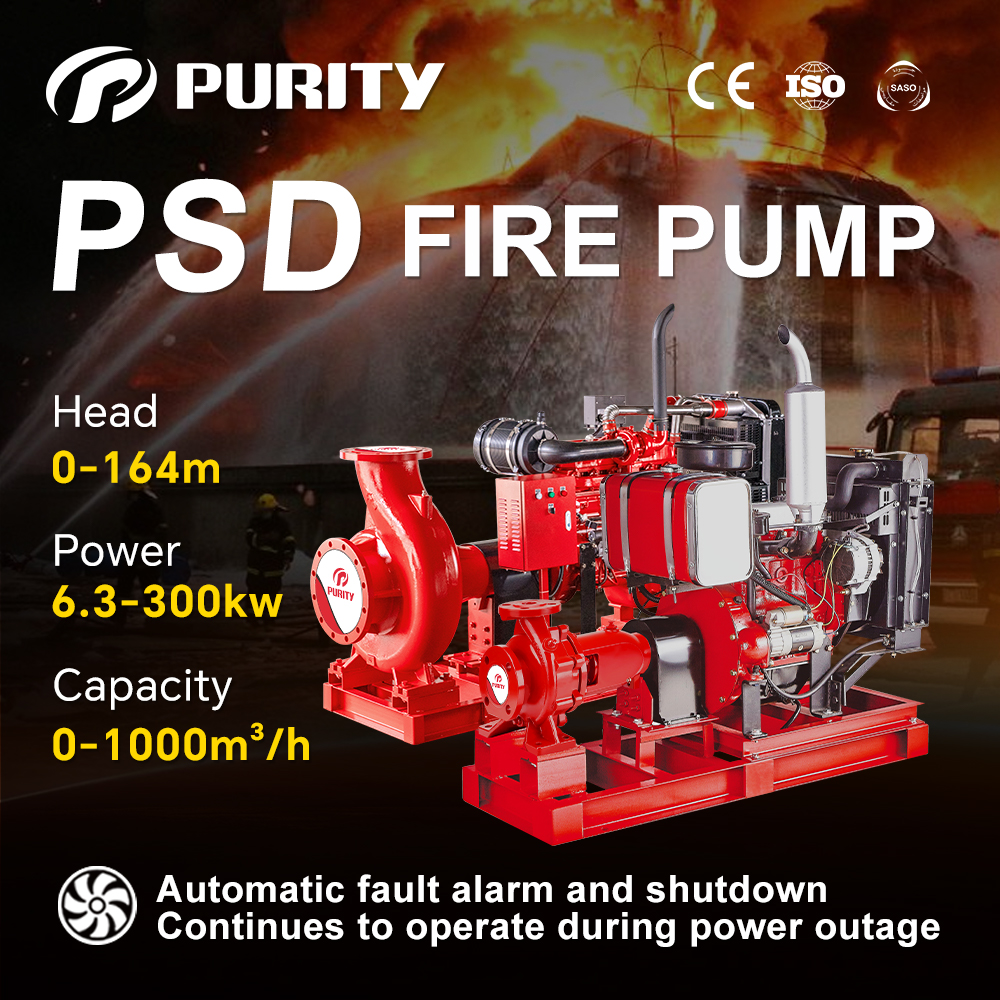
Picture|Purity PSD Diesel Fire Pump
2.3 Transportation Applications
Fire pumps also support fire protection in transportation-related facilities, including subway and railway stations, locomotives, gas stations, and electric vehicle charging stations. These places serve large numbers of people or contain equipment that requires appropriate fire safety measures. A properly designed fire pump system helps supply water to firefighting facilities and supports emergency response.
3. Choosing a Reliable Fire Pump Manufacturer
Selecting suitable equipment is important, but choosing an experienced manufacturer also matters. A professional supplier can offer product options for different applications and support customers in identifying solutions that match project requirements.
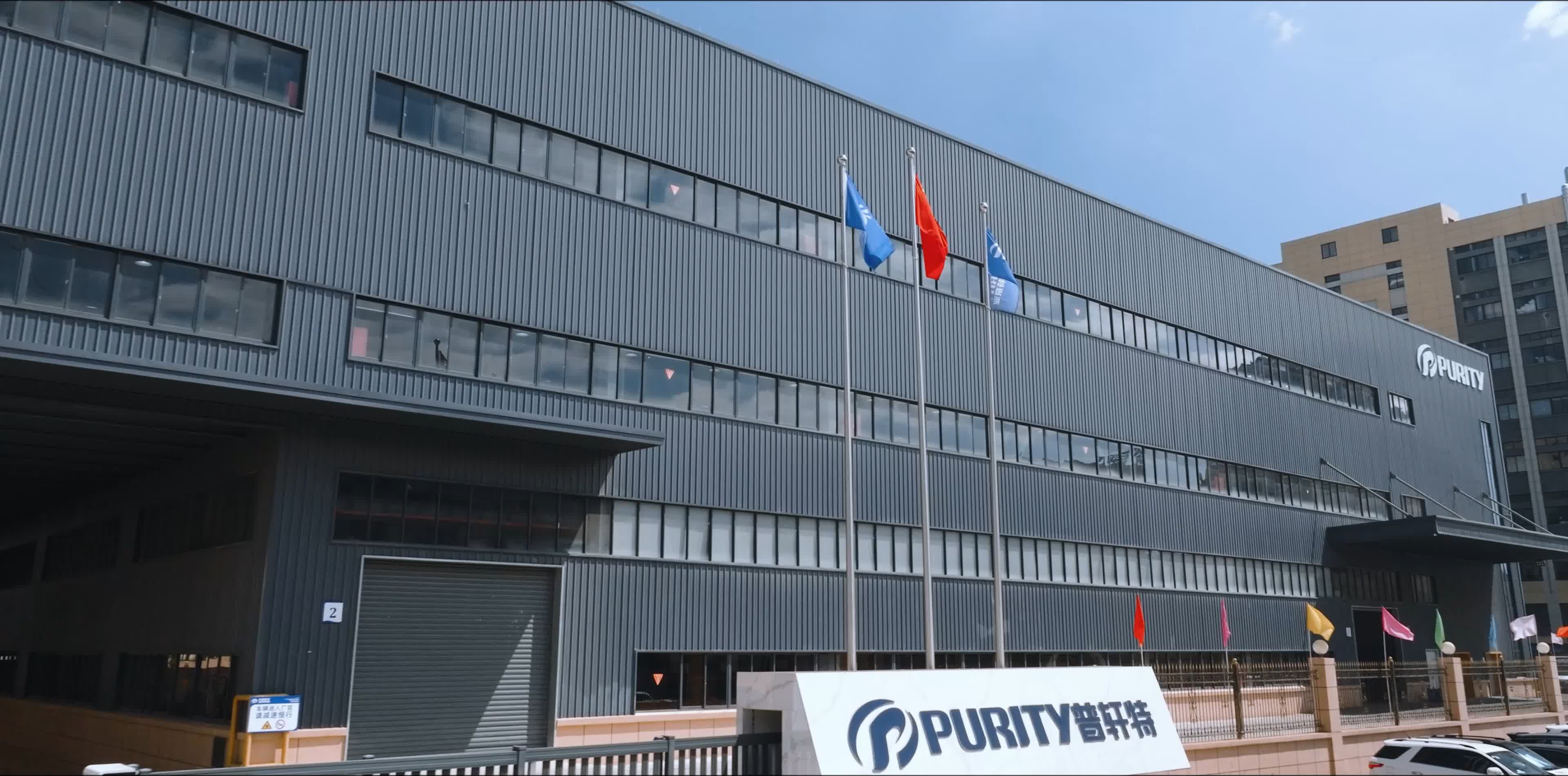
Picture|Purity Factory
With more than 16 years of experience in the fire pump industry, Purity operates a modern manufacturing base covering 60,000 square meters. Its products are supported by more than 130 certificates and qualifications, including UL, CE, and ISO certifications.
From electric fire pump solutions to diesel fire pump sets, Purity is committed to providing reliable pumping equipment for fire protection applications worldwide.
As its international business continues to expand, Purity is seeking distributors and business partners around the world. We look forward to building long-term partnerships, exploring opportunities in the global fire pump market, and achieving mutual growth.
Follow Purity Pump to learn more about pump knowledge and fire protection solutions!
Post time: Nov-20-2026


