
Is Your Water Pump Showing These Signs? It’s Time to Prepare for Winter!
Water pump problems become more common during the winter months. Low temperatures can affect pump performance and even cause equipment damage if proper precautions are not taken. With the right maintenance measures, you can keep your pump running efficiently and maintain a stable water supply throughout the cold season. Let’s take a look at common winter water pump problems and some practical ways to prevent freezing.
1. Cracks in the Pump Casing
Water expands when it freezes. If water remains inside the centrifugal water pump after use, the expanding ice can put pressure on the pump casing, pipelines, or impeller, potentially causing cracks and serious equipment damage. This problem is particularly common in outdoor installations or unheated environments.
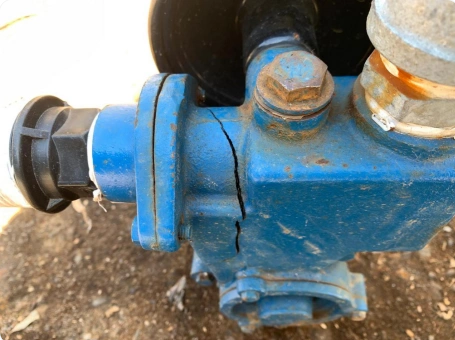
Picture|Water Pump Rupture
2. Difficulty Pumping Water or No Water Flow
Frozen pipelines: Low temperatures can cause water inside the pipes to freeze, blocking water flow and preventing the pump from operating normally.
Air trapped inside the pump: If the pump is not properly primed before startup, trapped air may affect its water intake capacity and reduce pumping efficiency.
Frozen or jammed impeller: Ice may form around the impeller or become lodged inside the pump, preventing normal rotation and causing the equipment to stop working.
3. Motor Problems
Low temperatures can make motor lubricants thicker, increasing operating resistance and making startup more difficult. This may place additional stress on the motor and potentially lead to overheating or damage.
Moisture intrusion is another concern. If motor sealing is inadequate, moisture may enter the motor and cause short circuits or insulation damage.
4. Water Leakage
Cold temperatures can make seals hard and brittle, reducing their elasticity and affecting the pump’s sealing performance. As a result, water leakage may occur during operation.
5. Unusual Vibration or Noise
A frozen pump, unbalanced impeller, or poor bearing lubrication may cause abnormal vibration and noise. If these problems are not addressed promptly, they can accelerate component wear and shorten the pump’s service life.
How Can You Protect Your Water Pump from Freezing?
Proper winter maintenance is essential, but the pump’s design and configuration also influence its overall performance. For water supply applications requiring higher head, the Purity P2C Double Impeller Centrifugal Pump is worth considering. Featuring an all-copper impeller and a double-impeller structure, it delivers high head performance to meet the needs of different water supply applications. Its threaded connections allow more flexible and convenient pipeline installation. In addition, the motor features F-class enameled wire and an IP55 protection rating, providing reliable insulation and protection during operation.
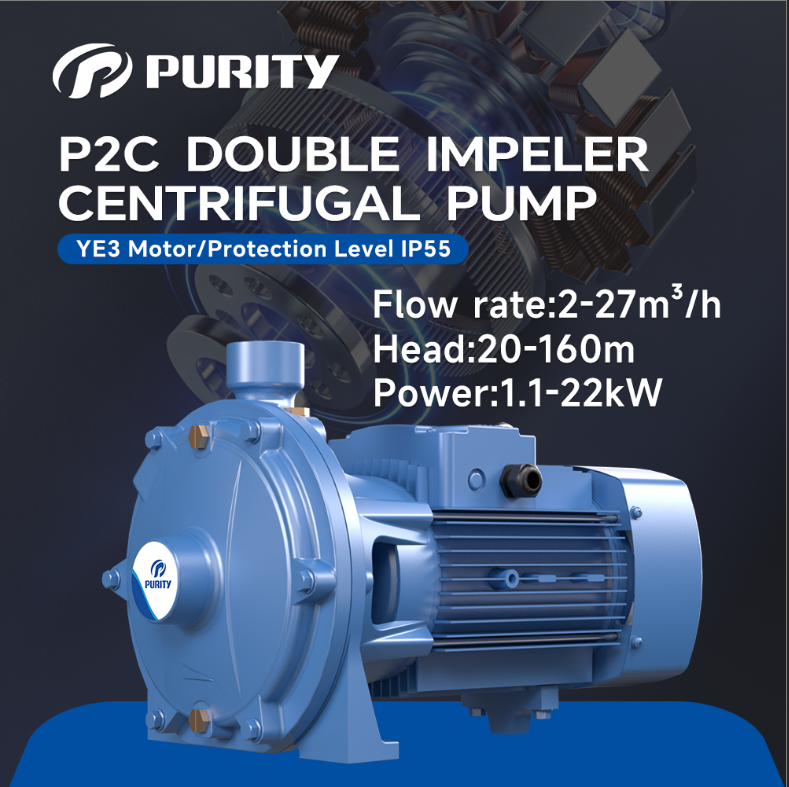
Picture|P2C Double Impeller Centrifugal Pump
Regardless of the Centrifugal pump model, proper drainage, insulation, and regular inspection remain essential during winter. Here are four practical tips to help protect your equipment.
1. Drain the Pump When Not in Use
After each use or during extended shutdowns, drain as much water as possible from the pump casing, pipelines, and water tank. Refill the system before restarting it. This helps prevent frozen blockages and reduces the risk of cracks caused by ice expansion.
2. Maintain a Suitable Operating Temperature
For indoor installations, keep equipment room doors and windows closed and maintain the temperature above 0°C (32°F) to prevent water inside the system from freezing. For outdoor pumps, use insulating materials such as blankets, cotton fabric, or rubber foam insulation to protect the pump and exposed pipelines.
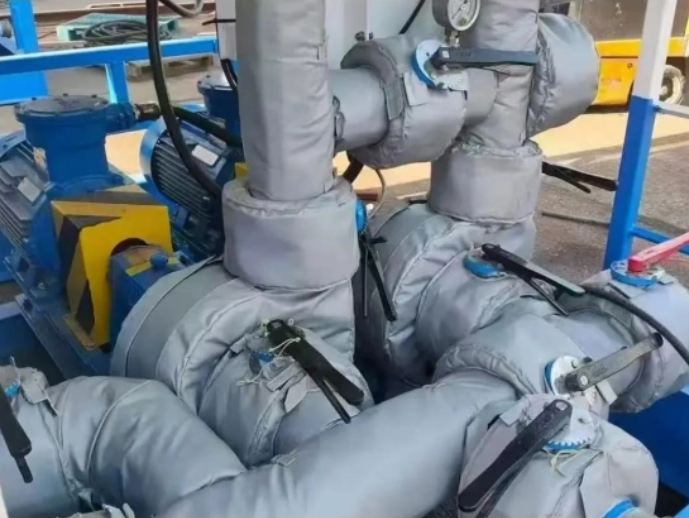
Picture|Water Pump Insulation
3. Thaw Frozen Pumps and Pipelines Properly
If the pump or pipelines have already frozen, never force the pump to start. Use warm water or steam to thaw the frozen components gradually before inspection and operation. Avoid heating sealed systems, as pressure buildup may cause damage or rupture.
4. Inspect Equipment Regularly
Winter conditions can increase the risk of pump malfunctions. Regularly check the pump’s operating condition, electrical connections, seals, and other key components. Replace worn or damaged parts promptly to reduce unexpected failures.
Following these measures can significantly reduce the risk of freezing and help maintain stable centrifugal water pump operation throughout winter. However, reliable performance also depends on choosing equipment suited to the actual working conditions. Proper pump selection, combined with regular maintenance, is essential for ensuring a continuous and stable water supply in cold weather.

Picture|Purity Factory
Established in 2010, Purity pump specializes in water pump research, development, and manufacturing. With more than 200 product models, an annual output of 150,000 units, and products supplied to over 140 countries and regions worldwide, Purity provides reliable pumping products and professional solutions for residential, commercial, and industrial applications.
As winter approaches, don’t wait until freezing problems occur to take action. Proper maintenance and suitable pump selection can help keep your equipment running smoothly even in cold weather. For more information about industrial centrifugal pump maintenance and product selection, feel free to contact the Purity team.
Post time: Nov-13-2026


