Removing an impeller from a centrifugal pump is a critical maintenance task that directly affects performance, reliability, and service life. Whether working with a centrifugal pump, centrifugal pumps, or a centrifugal water pump, the process must follow strict technical and safety standards. Improper handling can damage the shaft, seals, or impeller, leading to costly downtime.
As a professional centrifugal pump manufacturer, Purity (PST Series centrifugal pumps) focuses on high-efficiency hydraulic design and long-term maintenance convenience, helping users reduce impeller-related failures and simplify servicing procedures.
Why Impeller Maintenance Is Important in Centrifugal Pumps
The impeller is the core hydraulic component of any centrifugal pump. It converts mechanical energy into fluid velocity and pressure. In electric centrifugal water pump systems and industrial applications, it directly determines flow stability and efficiency.
Over time, impellers may suffer from erosion, corrosion, or blockage caused by particles in the fluid. These conditions lead to reduced efficiency, higher vibration, and unstable operation.
The Purity PST centrifugal pump series is designed with optimized hydraulic balance and durable impeller materials, which significantly reduce wear and extend service intervals, especially in demanding water supply and circulation systems.
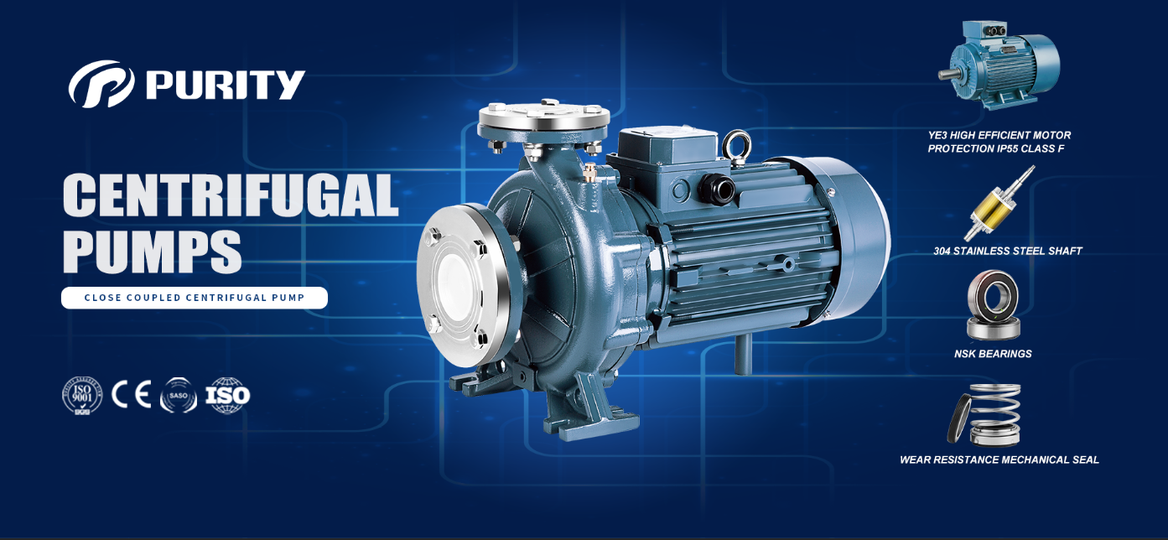
Picture | Purity Centrifugal Pump PST
Safety Preparation Before Removing the Impeller
Before any maintenance work begins, safety must be strictly ensured:
- Shut down power and apply lockout/tagout procedures
- Drain the pump casing completely
- Release system pressure
- Disconnect suction and discharge piping if necessary
These steps are essential for all centrifugal water pump maintenance operations and prevent accidental startup or leakage risks.
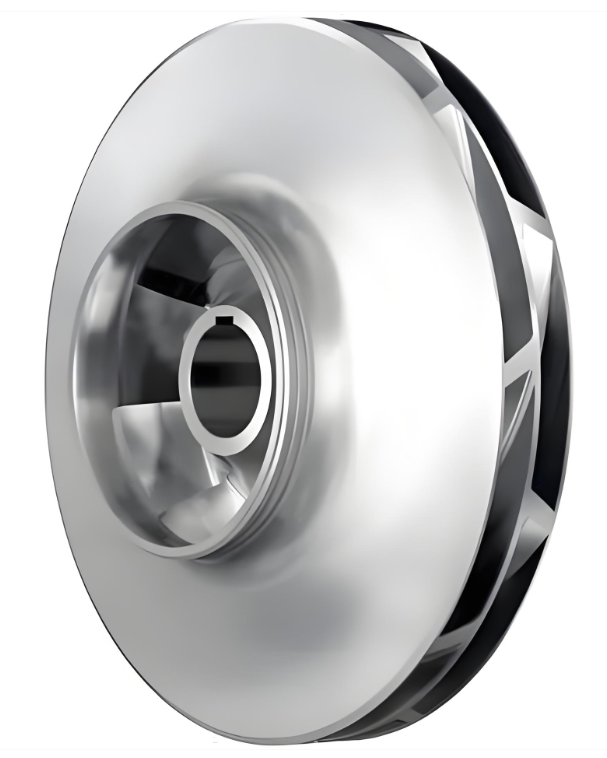
Picture | Impeller
Step-by-Step Impeller Removal Process
Although designs vary among centrifugal pumps, the general removal process is similar:
1. Remove Pump Casing
Loosen bolts and carefully remove the pump casing to expose the impeller assembly.
2. Secure the Shaft
Fix the shaft using a wrench to prevent rotation during disassembly.
3. Unscrew the Impeller
Most centrifugal pumps use threaded impellers. Rotate counter-clockwise to loosen. If stuck, use penetrating lubricant or a puller tool.
4. Remove the Impeller
Carefully slide the impeller off the shaft. Avoid excessive force to prevent shaft damage.
5. Inspect Components
Check impeller blades, shaft, and keyway for wear, corrosion, or deformation.
Installation and Reassembly Tips
When reinstalling or replacing the impeller:
- Apply anti-seize compound to threads
- Ensure correct impeller clearance for hydraulic efficiency
- Tighten bolts to recommended torque
- Reassemble casing and reconnect piping
Proper assembly ensures stable operation of both standard centrifugal pumps and high-efficiency electric centrifugal water pump systems.
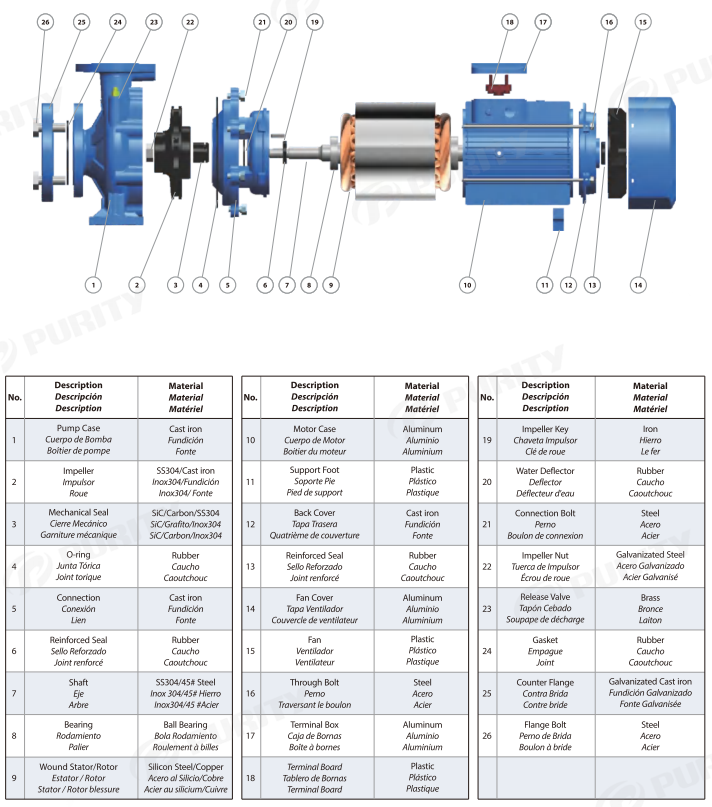
Picture | Purity Centrifugal Pump PST Components
Purity PST Centrifugal Pump Advantages
Compared with conventional centrifugal pump designs, the Purity PST series offers significant engineering advantages:
1. Optimized Impeller Material Options
PST centrifugal pumps offer cast iron as standard, with optional bronze and stainless steel impellers. Material selection can be matched to different working conditions, improving corrosion resistance and durability.
2. Improved Hydraulic Stability
The pump inlet and outlet are designed with optimized diameter ratios, effectively reducing turbulence and cavitation risk. This ensures smoother operation, lower noise, and higher efficiency.
3. Full Model Coverage
The Purity PST series covers a wide range of models, including multiple sizes, flow capacities, and power options, making it suitable for diverse industrial and water supply applications.
4. High Manufacturing Precision
With advanced CNC machining and strict quality control, Purity ensures high dimensional accuracy of pump components, reducing maintenance difficulty during impeller removal and reassembly.
Preventing Future Impeller Problems
Regular maintenance is essential to avoid impeller seizure and unexpected failures. Monitoring vibration, pressure, and flow rate helps detect early issues.
Choosing a reliable centrifugal pump manufacturer like Purity ensures better long-term performance. With over 16 years of manufacturing experience, Purity provides complete solutions from design and production to maintenance support, helping customers reduce downtime and improve system reliability.
Conclusion
Understanding how to remove impeller from centrifugal pump is essential for safe and efficient maintenance. Following correct procedures protects critical components and ensures stable operation.
With the advanced design of Purity PST centrifugal pumps, users benefit from improved durability, easier maintenance, and higher operational stability. As a professional centrifugal pump manufacturer, Purity continues to deliver reliable centrifugal water pump solutions for global industrial applications.If you are interested, please contact us immediately.
Post time: Apr-22-2026