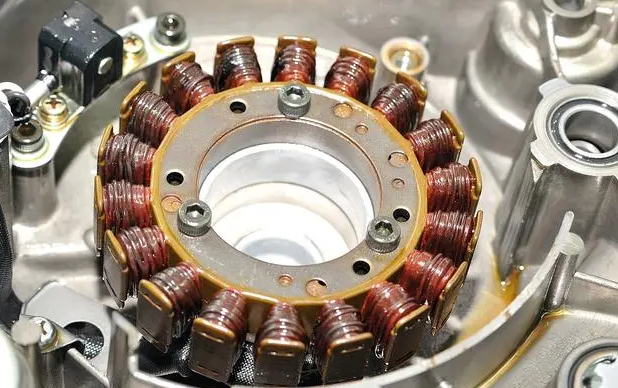
A water pump failing to deliver water is one of the most common problems encountered during operation. Although this issue is easy to notice, identifying the underlying cause is essential for restoring normal performance. So, what causes a water pump to stop delivering water, and how can these problems be solved? Let’s take a closer look at several common reasons and their corresponding solutions.
1. Air Inside the Inlet Pipe or Pump Casing
Air trapped inside the inlet pipe or pump casing can prevent a water pump from delivering water properly. This usually happens when the pump is not filled with enough water before startup or when air enters the casing after the pump has been shut down for an extended period.
In this situation, the first step is to refill the inlet pipe and pump casing with sufficient water before restarting the equipment. For pipeline water supply and pressure-boosting applications, choosing a properly designed and reliable pipeline pump is equally important. For example, the Purity PGL series vertical inline centrifugal pump features a direct-coupled vertical structure, with its inlet and outlet having the same diameter and positioned along the same centerline. Its compact design saves installation space while providing a practical solution for various pipeline transportation applications.
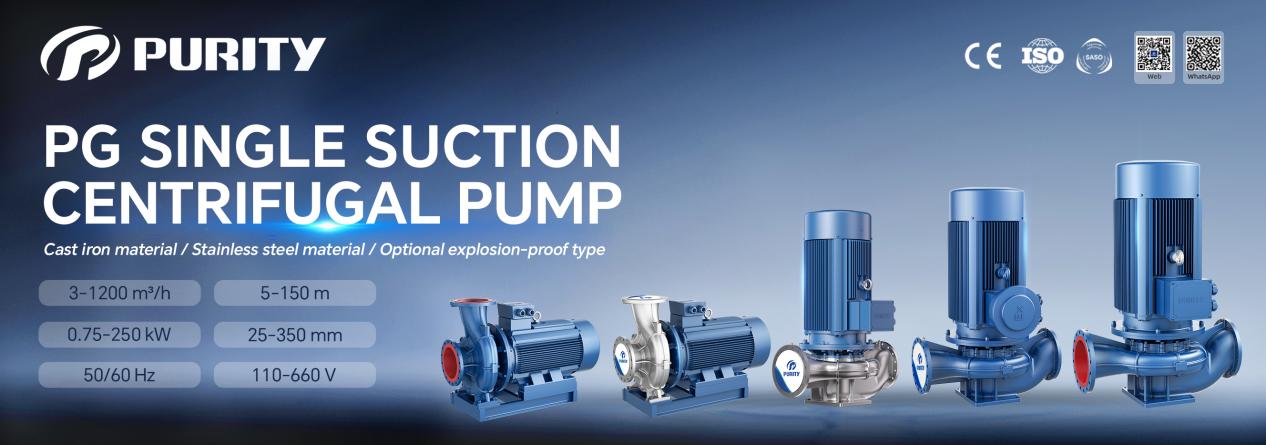
Picture|Purity PG Series Pipeline Centrifugal Pumps
Another possible cause is damage to the inlet pipe. As pipes age, cracks or tiny gaps may develop, allowing air to enter during water suction. This can interrupt the pumping process and reduce water delivery efficiency. Therefore, regularly inspecting inlet pipes and replacing damaged sections in time is essential for maintaining stable pump operation.
2. Blockages and Foreign Objects
Foreign objects entering the pump system can also cause water delivery problems. An unclean water source or the absence of a foot valve at the bottom of the inlet pipe may allow debris, stones, and other solid particles to enter the pipeline, resulting in blockages.
When this happens, stop the pump and remove the foreign objects from the blocked sections. Prolonged blockages may increase the load on the motor, potentially causing overheating or burnout. For wastewater transportation, selecting a suitable submersible sewage pump according to the characteristics of the medium can help reduce blockage risks.
For instance, the Purity WQV series sewage pump adopts a spiral structure and a sharp-edged cutting impeller to improve its ability to handle solid waste and reduce the risk of discharge pipe blockages. Its mechanical seal is made from durable, wear-resistant materials, making it suitable for various wastewater discharge applications. Choosing an appropriate pump based on the actual working conditions can help maintain efficient and reliable operation.
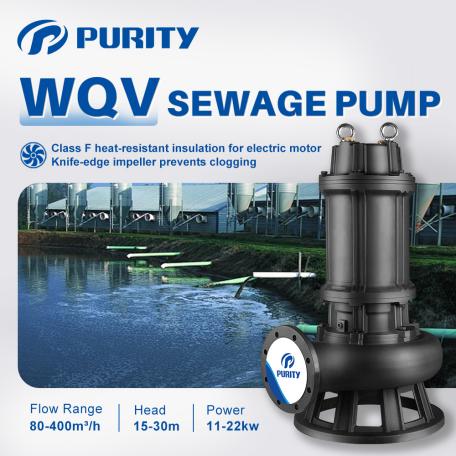
Picture|Purity WQV Sewage Pump
In addition to large foreign objects, sticky substances and materials with strong adhesion may gradually accumulate on the impeller. This buildup can affect the impeller’s rotation and reduce water delivery efficiency. Regularly inspecting and cleaning the impeller helps prevent such problems and extends the service life of the pump.
3. Incorrect Motor Rotation
Incorrect motor rotation is another common reason why a water pump fails to deliver water. This problem is generally caused by incorrect electrical wiring, which causes the motor to rotate in the opposite direction.
Under normal circumstances, the fan cover of the motor indicates the correct direction of rotation. Operators can compare the actual fan rotation with the marked direction to determine whether the motor is running backward.
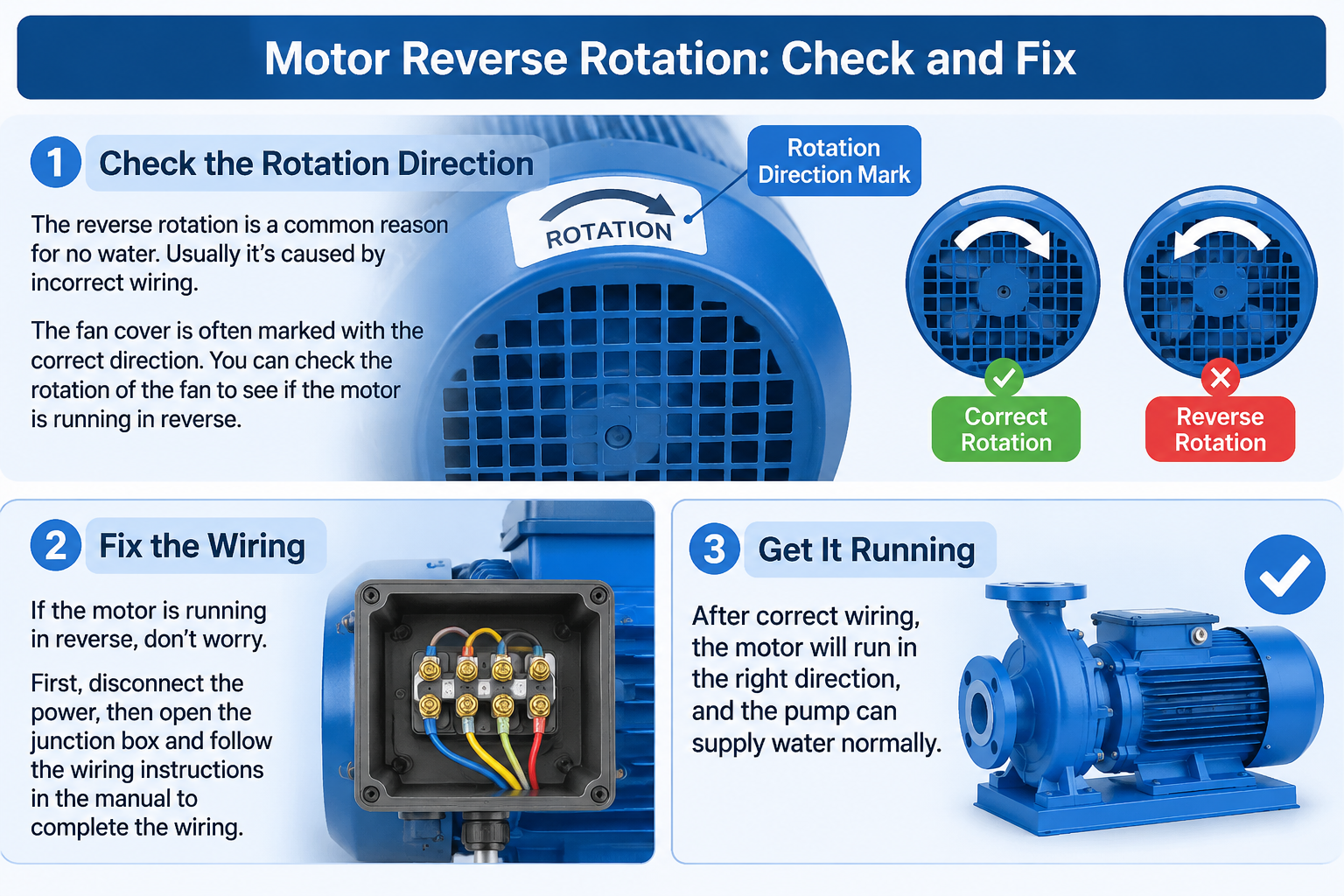
Picture|Motor Reverse Rotation Check and Wiring Repair
If reverse rotation is detected, there is no need to panic. First, disconnect the power supply completely. Then, open the terminal box and refer to the wiring instructions in the user manual to correct the connections. After confirming that the wiring is correct, restart the pump and check whether it operates normally. Electrical adjustments should always be performed by qualified personnel to ensure safety.
Conclusion
The above are several common reasons why a water pump may fail to deliver water, along with practical solutions. Regular inspection, timely maintenance, and proper operation are essential for reducing equipment failures and ensuring stable pumping performance. Whether using a centrifugal pump for clean water transportation or a sewage pump for wastewater applications, selecting the right equipment for the actual operating conditions is crucial.
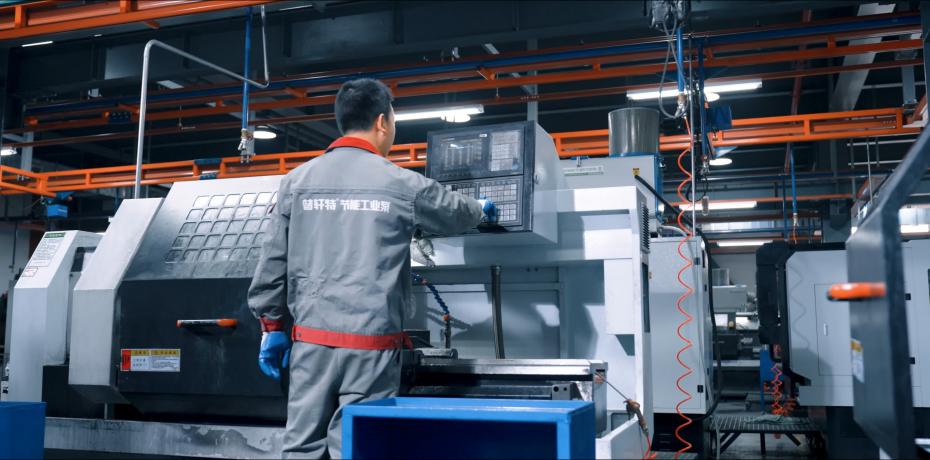
Picture|Purity Specialized Equipment and Expert
As a professional manufacturer with 16 years of experience in pump manufacturing, Purity Pump operates a modern 60,000 m² manufacturing base and offers more than 200 product types, supported by over 130 patents and certifications. With products supplied to more than 140 countries and regions, Purity is committed to providing reliable, efficient pumping products and professional solutions to customers worldwide.
Currently, Purity is actively recruiting distributors around the world. We look forward to building long-term partnerships with like-minded partners and exploring international markets together for mutual growth and success.
Follow Purity Pump for more pump knowledge and product updates. Feel free to contact us to learn more about our products and global distributor opportunities!
Post time: Nov-27-2026