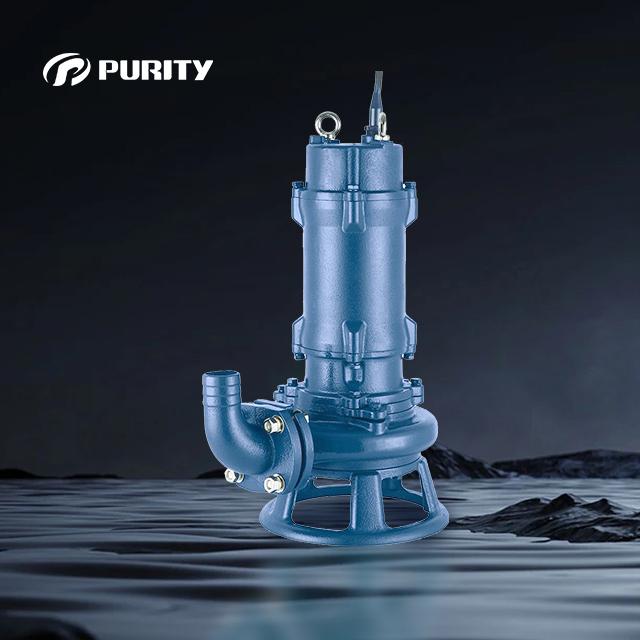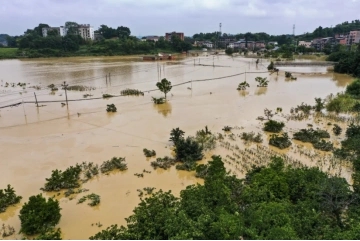
Picture | Flood season
During flood season, drainage pumps are widely used for municipal drainage, construction site emergencies, and water removal. However, floodwater often contains mud, sand, and debris, which can cause pump failures. Choosing a reliable sewage pump is important for stable and efficient drainage.
Main Causes of Mechanical Seal Damage and Protection Methods
Floodwater is very different from clean water conditions because it often contains a large amount of sediment and solid waste. Fine sand particles can enter the gaps of the mechanical seal and continuously wear the sealing surface, while hard objects may directly impact the mechanical seal and impeller. These factors are common causes of sewage pump damage during flood seasons.
1. Install Protective Filters to Block Hard Impurities
Installing protective screens or grilles at the sewage pump inlet can effectively prevent stones, branches, plastic waste, and other hard objects from entering the pump chamber. This helps protect the mechanical seal and impeller while reducing structural failures.
2. Operate Properly and Avoid Continuous Pumping of Thick Sludge
The bottom layer of floodwater usually contains higher concentrations of sludge and solid particles. Long-term pumping of thick mud can accelerate mechanical seal wear and cause sewage pump blockage.During operation, avoid continuously pumping from areas with heavy sediment accumulation. Using proper start-stop intervals can reduce the impact of sand and impurities on the internal components of the submersible sewage pump.
3. Select the Right Equipment for Flood Control Applications
For frequent flood drainage tasks, it is recommended to choose a professional sewage pump designed for harsh environments. Reliable sewage pump manufacturers usually optimize their products with wear-resistant mechanical seals, anti-sand structures, and improved anti-clogging designs to ensure stable operation in muddy conditions.
During operation, the cutter sewage pump draws solid waste into the cutting area, where the rotating impeller and cutter system cut and discharge impurities smoothly. This design helps achieve clog-free operation and provides reliable drainage support during flood seasons.
For example, Purity WQV cutter sewage pump adopts a spiral structure and a sharp cutter impeller. The cutter system works together with the cutting plate to shred fibrous waste and prevent pipeline blockage. With a backward-curved impeller design, this sewage cutter pump effectively reduces clogging risks.
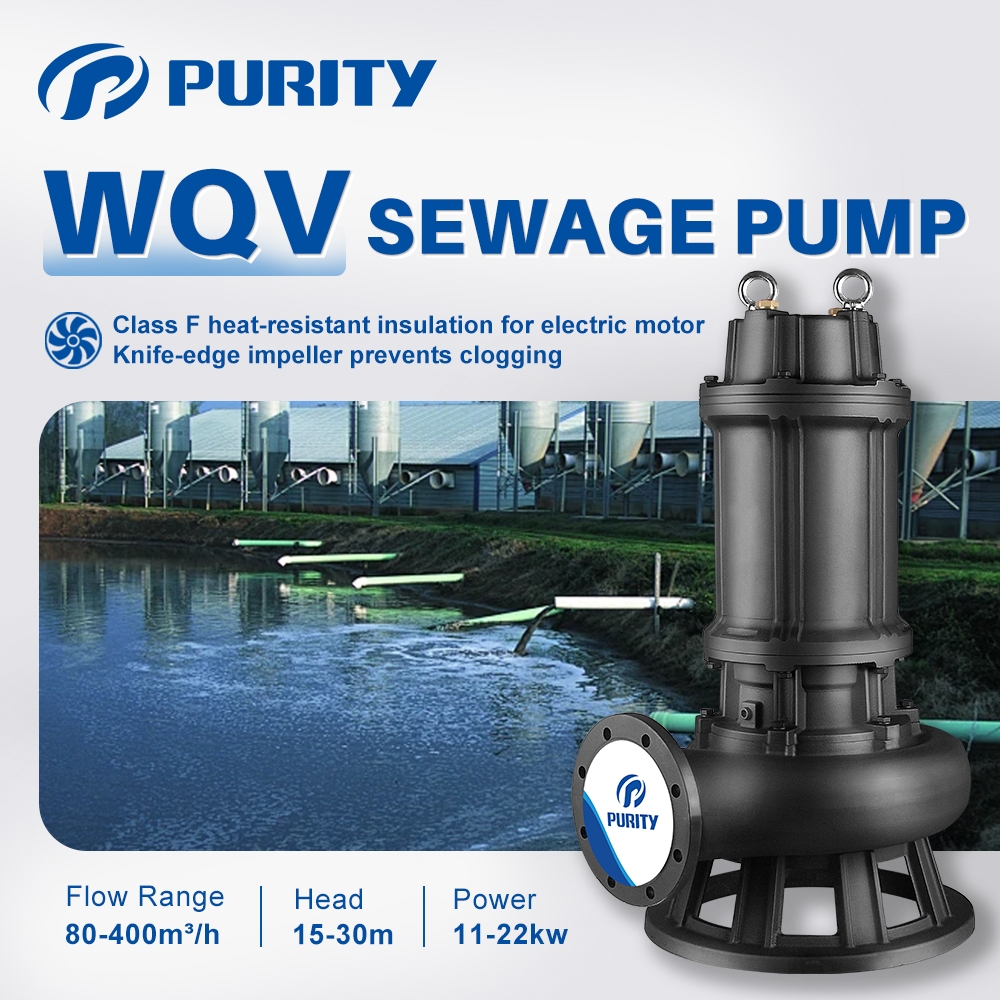
Picture|Purity vortex cutting submersible pump WQV
4. Clean the Equipment After Operation to Prevent Corrosion
After completing drainage work, rinse the sewage pump body, pump chamber, and inlet passage with clean water. Removing remaining mud and fine sand prevents impurities from drying and causing mechanical seal sticking or flow channel blockage.Regular inspection of the mechanical seal, wear parts, and pump components is also important. Proper maintenance helps extend the service life of the submersible sewage pump and ensures reliable performance for future flood control tasks.
Key Takeaways for Flood Season Sewage Pump Use
Efficient flood drainage requires not only powerful equipment but also correct operation methods. For every sewage pump, dry running and sediment wear are two major risks that should be avoided.By following proper operating procedures, preventing dry running, protecting against impurities, and performing regular maintenance, users can reduce equipment wear, lower maintenance costs, and maintain stable drainage efficiency.
Choosing an experienced sewage pump manufacturer is also important. Purity has more than 16 years of pump manufacturing experience, a 60,000㎡ production base, and products supplied to more than 140 countries and regions worldwide.Purity is now looking for reliable distributors worldwide. If you are interested in cooperation, please feel free to contact us.
Post time: Sep-17-2026