
When a pump is running but no water is coming out, it can be frustrating, especially on construction sites, farms, drainage projects, and other workplaces. However, a running motor does not always mean the pump itself has failed.
In many cases, the problem is related to the inlet, suction piping, water level, rotation direction, or impeller. Knowing how to identify these issues can help you troubleshoot the pump quickly and avoid unnecessary downtime.
Here are six common reasons why a sewage pump, water pump, or other centrifugal pump may run without discharging water.
1. Blocked Inlet or Suction Pipe
Debris is one of the most common causes of pumping failure. In wastewater and drainage applications, sand, weeds, plastic bags, fibers, and other solids can accumulate around the inlet or filter and restrict water flow.
A blocked suction pipe can prevent the pump from receiving enough water, even when the motor is running normally.
How to fix it: Turn off and isolate the power before inspection. Clean the inlet, filter, and suction pipe, and remove any visible debris. Check whether the pipe is crushed, bent, or damaged.
For wastewater applications, selecting a suitable submersible sewage pump can also help reduce problems caused by solids and debris.
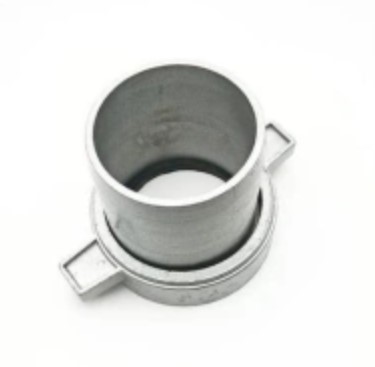
Picture|Water Pump Inlet
2. Suction Height Is Too High
For pumps installed above a water source, excessive suction height can prevent the pump from drawing water. The higher the pump is positioned above the water surface, the more difficult it becomes to establish the required suction conditions.
How to fix it: Check the pump’s specified suction limits and reduce the vertical distance between the pump and the water source whenever possible. Positioning the pump closer to the water level can improve suction performance.
For deep-water or wastewater applications, a sewage submersible pump can be installed directly in the liquid, eliminating the need for a long suction lift.
3. Air Leakage in the Suction System
A pump needs a properly sealed suction system to draw water effectively. Loose pipe joints, damaged gaskets, cracked pipes, or worn mechanical seals can allow air to enter the system.
Typical symptoms include no water discharge, unstable flow, reduced capacity, or repeated loss of prime.
How to fix it: Inspect all suction-side connections, gaskets, valves, and seals. Tighten loose connections and replace damaged components. Make sure the suction line is properly sealed before restarting the pump.
4. Incorrect Motor Rotation
A newly installed pump may run normally but fail to produce the expected flow if the motor rotates in the wrong direction. This can occur after electrical wiring has been changed, particularly with three-phase motors.
How to fix it: Disconnect the power and have a qualified technician check the motor rotation according to the pump manufacturer’s requirements. For three-phase motors, the rotation can typically be corrected by changing two power phases.
Always follow the manufacturer’s electrical instructions before making wiring changes.
5. Jammed or Damaged Impeller
The impeller is responsible for transferring energy from the motor to the pumped liquid. Rust, sediment, stones, fibers, or other solids can cause the impeller to jam. Wear or physical damage can also reduce pumping performance.
Unusual noise, vibration, overheating, or a sudden loss of flow may indicate an impeller problem.
How to fix it: Disconnect the power before opening the pump. Remove accumulated debris and inspect the impeller for wear or damage. If it cannot rotate freely or is severely damaged, professional repair or replacement may be required.
For wastewater containing fibrous materials, a cutter sewage pump can be useful because its cutting mechanism helps process fibrous solids before they pass through the pump.
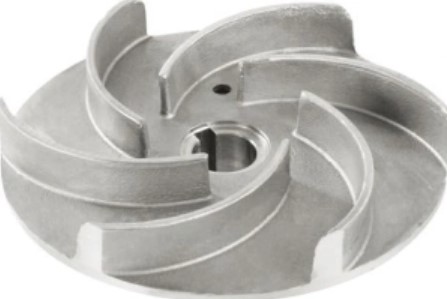
Picture|Water Pump Impeller
6. Water Level Is Too Low
A simple but frequently overlooked problem is insufficient water at the inlet. As the water level in a tank, pond, or well drops, the inlet may become partially or completely exposed.
The pump can then draw air instead of water, resulting in loss of flow and possible dry running.
How to fix it: Check the water level before starting the pump and make sure the inlet remains properly submerged. Avoid operating a pump without sufficient liquid unless it is specifically designed for that condition.
Quick Troubleshooting Checklist
If your pump is running but not pumping water, check these points in order:
1. Inlet: Is it blocked by debris?
2. Water level: Is the inlet fully submerged?
3. Piping: Is there an air leak or damaged pipe?
4. Suction height: Is the pump installed too high?
5. Rotation: Is the motor rotating in the correct direction?
6. Impeller: Is it jammed, worn, or damaged?
This simple checklist can help identify many common problems before more complicated maintenance is considered.
Choosing the Right Sewage Pump System
For wastewater applications, the pump should match the liquid characteristics, solids size, flow rate, head, and installation conditions. A complete sewage pump system should also consider piping, valves, electrical protection, control equipment, and maintenance requirements.
A suitable sewage pump or submersible sewage pump can provide a more practical solution for applications where wastewater contains solids or fibrous materials.
Purity’s WQQG Cutter Submersible Sewage Pump is designed for wastewater containing fibrous debris. Its cutter impeller helps process fibrous materials, while the sealed cable structure provides additional protection for the motor. The pump is also designed for convenient installation and maintenance.
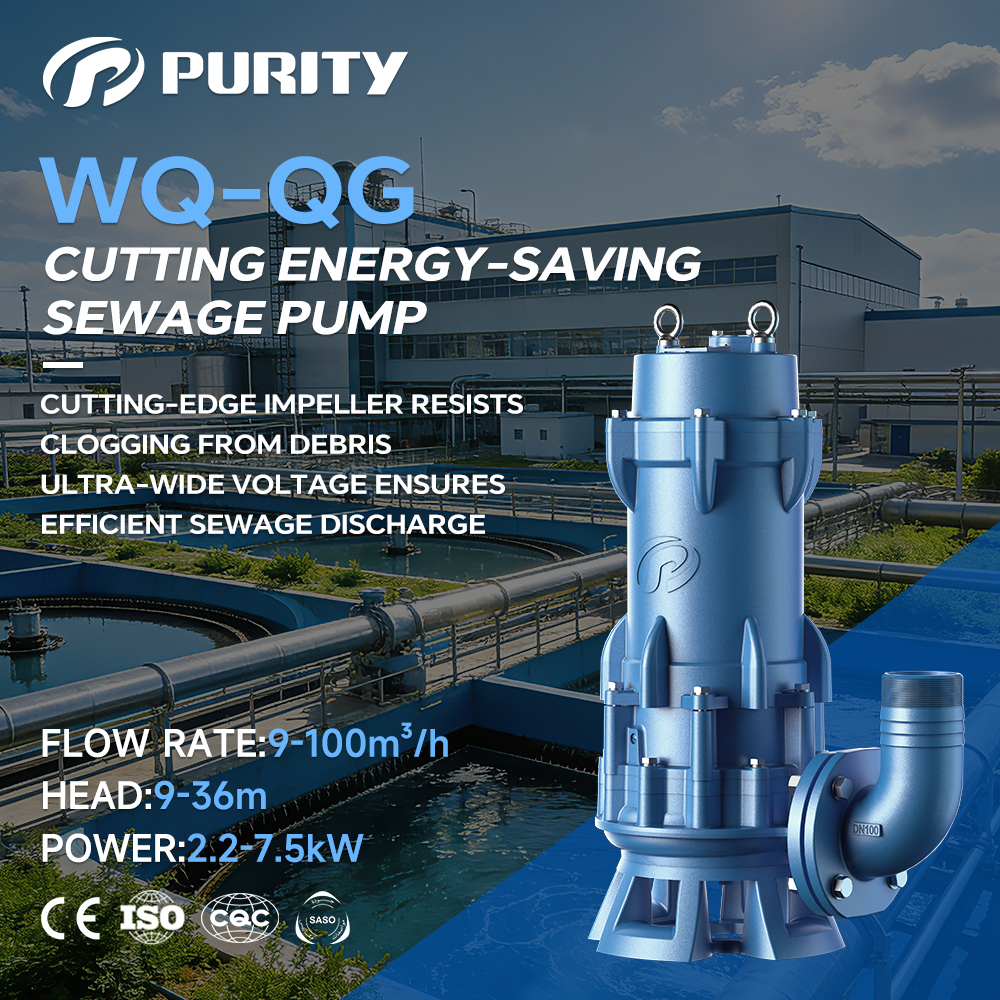
Picture | Purity WQQG Cutting Sewage Pump
Conclusion
When a pump runs but does not discharge water, the cause is often related to installation, piping, water level, rotation, or operating conditions rather than a major pump failure. Checking these factors systematically can help reduce downtime and prevent unnecessary repairs.
For reliable wastewater pumping, choosing the right pump and working with experienced submersible sewage pump manufacturers is equally important.
With 16+ years of pump manufacturing experience and 200+ pump types, Purity serves customers in 140+ countries and regions. If you are looking for reliable sewage pumping solutions or a long-term distributor partnership, contact Purity Pump today.
Post time: Sep-23-2026

